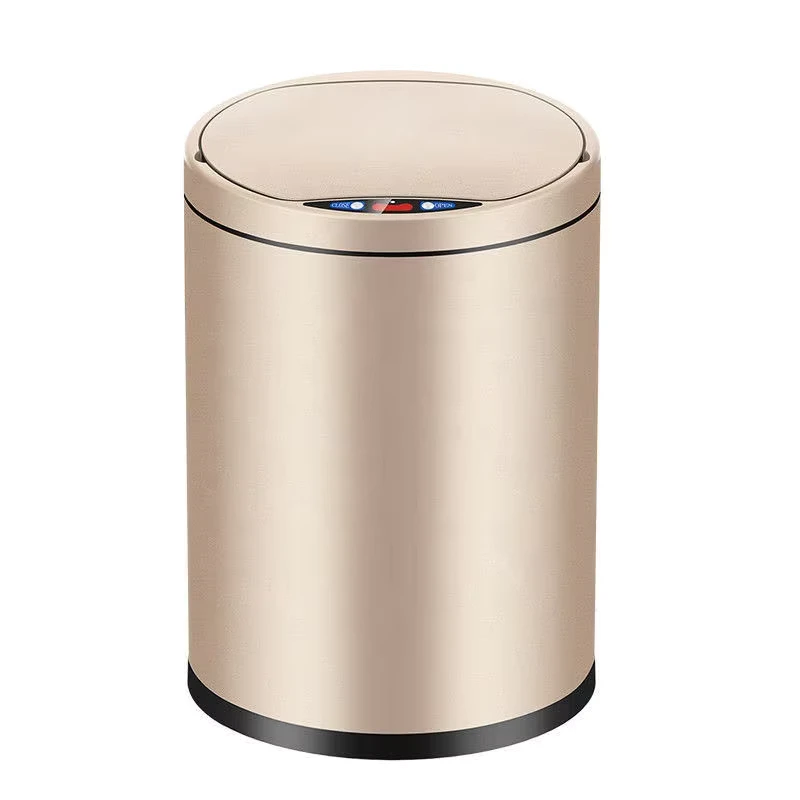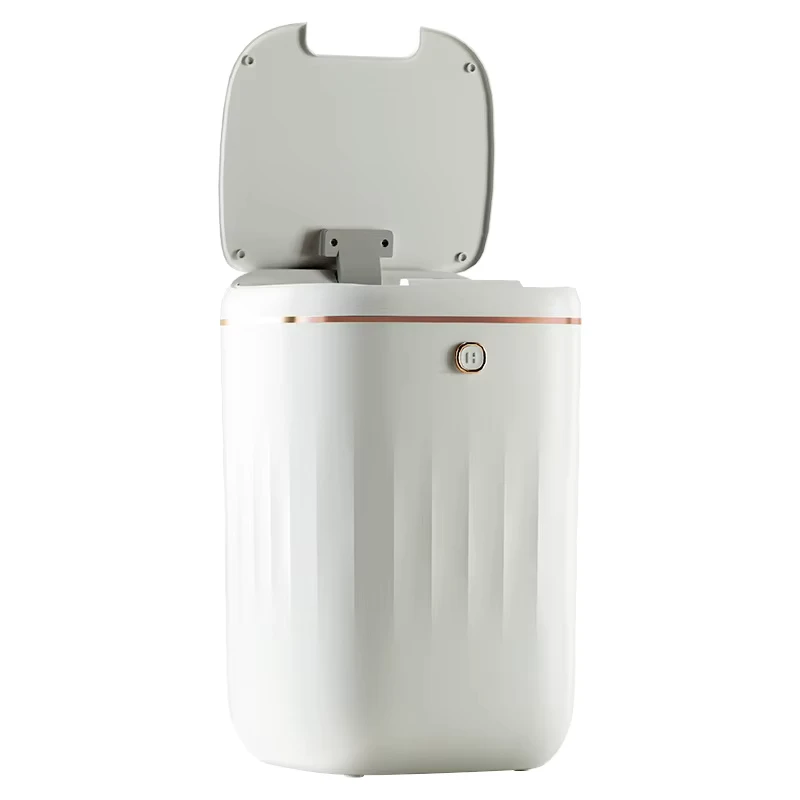

In daily procurement, the bin is rarely a headline item, but it often decides whether a space feels practical, quiet, and easy to manage.
In procurement, the smallest items often reveal the most about how a space is managed. A bin is not usually the headline purchase, but it is one of those things people notice immediately when it feels awkward, noisy, flimsy, or hard to clean. That is why buyers in hospitality, offices, and shared indoor spaces tend to look beyond shape and capacity. They are really judging whether the item will keep working quietly after the first week of use.
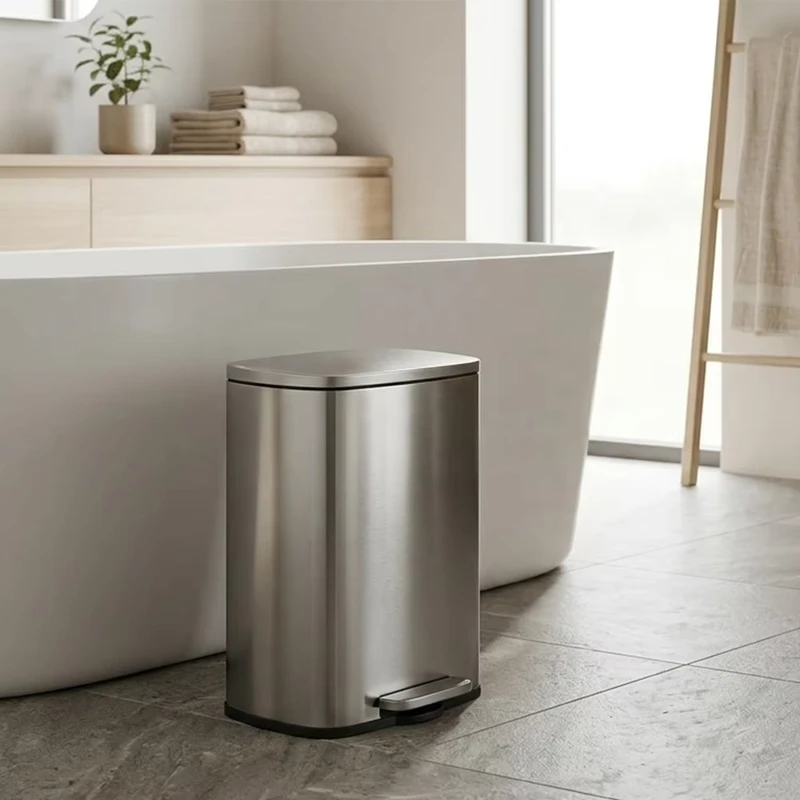
That is also why product choices in this category are rarely just about one material or one style. A stainless steel pedal bin can make sense where appearance and hygiene matter, especially in bathrooms, hotel rooms, or office corners. A covered PP bin may be the more practical answer when the buying priority is simple handling and broad indoor-outdoor use. And in some channels, buyers want a larger format that supports storage, transport, or chilled goods handling rather than only waste collection, which is where a rolling cooler can sit in the same conversation as other utility items.
For importers and distributors, the real question is not whether a bin looks good in a catalog. It is whether it can survive ordinary commercial use without creating complaints. Soft-close lids, foot pedals, easy-clean surfaces, and covered designs all matter for one reason: they reduce friction for the end user and reduce after-sales trouble for the buyer. Even small details, such as a finish that resists fingerprints or a liner that is easier to handle, can influence repeat orders more than a long feature list.
There is a similar logic in the broader range of utility products. A simple covered bin may not look exciting, but it fits the kind of steady demand that wholesalers like: easy to place, easy to explain, and easy to reorder. That is often where long-term business comes from, not from dramatic products, but from items that quietly solve a daily problem.
If you are sourcing for retail, projects, or branded supply, we can discuss the practical side of these products in a way that matches your market, not just the catalog page.